


How to Develop Independence and Self-Discipline When Starting a House Cleaning Business or Service Business
- Oct 13, 2025
- 16 min read
Updated: Mar 16
Imagine this: You wake up tomorrow morning—no boss, no time clock, no one telling you what to do. Just you. Your schedule, your choices, your business.
Sounds exciting, right?
But here’s the catch—without independence and self-discipline, that same freedom can quickly turn into overwhelm, procrastination, and even failure.
I know this because I’ve been there. When I first started my own house cleaning business, I felt the thrill of being in charge—but also the weight of responsibility.
At first, you might think: “Yes! I’m free!” But soon reality sets in: the calls you need to return, the marketing you can’t ignore, the car that doubles as a rolling supply closet.
And here’s the truth: (you literally got to look yourself in the mirror and build that mindset) because if
you don’t discipline yourself, no one else is going to do it for you.
Self-discipline and independence carried me through every stage of growth, and I know they can do the same for you.
If you’re starting—or even just thinking about starting—your own house cleaning business, you’re probably wondering: “How do I stay on track when I’m the boss?”

That’s what this blog is all about. Because when you’re building a business from scratch, two traits will make or break you:
👉 Independence and self-discipline.
We're diving deeper into why independence and self-discipline are absolutely essential when starting and running a house cleaning business—especially if you’re managing it solo. These traits are the foundation for staying productive, meeting client expectations, and growing your business efficiently.
You’ll discover how independence and self-discipline show up in your day-to-day work—and pick up some helpful tips to strengthen both.
Why Independence and Self-Discipline Matter?
1. Time Management - Without a boss or a structured workday, you're in charge of creating your own schedule. Independence helps you take initiative, and self-discipline ensures you stay on track with all your responsibilities—cleaning, admin work, and client communication.
2. Consistency - Clients value dependable, high-quality service. Being independent means you don’t rely on others to meet deadlines, and self-discipline helps you maintain the same high standards every time, no matter what.
3. Responsibility - As a business owner, every detail falls on you—from buying supplies to keeping clients happy. Self-discipline keeps you focused and prevents procrastination, so nothing slips through the cracks.
4. Motivation - There will be days when motivation is low—it's part of the journey. Independence means you’re not waiting for someone to tell you what to do, and self-discipline is what helps you push through the hard days and keep moving forward. And some good music can get you hyped up, it has the power to get you energized and change your entire mood.
5. Adaptability - Wearing many hats is part of running your own business: cleaner, marketer, bookkeeper, customer service rep—you name it. Self-discipline helps you juggle all these roles without letting any area fall behind.
Keep in Mind Being your own boss sounds great—and it is—but it also comes with real challenges. Developing your independence and self-discipline is key to building a business that not only survives, but thrives. Stick with it, keep learning, and stay consistent. You've got this!
The good news? You can develop independence and self-discipline. Let me show you how.
Step 1: Set Clear Goals
First, start by setting clear goals. Define what you want to achieve in your business—then break those goals down into daily, weekly, and monthly tasks.
For example:
“Secure a certain number of clients per month.”
“Improve client satisfaction through consistent, quality service.”
That’s your roadmap—and it keeps you accountable.
Step 2: Use the SMART Goal Method
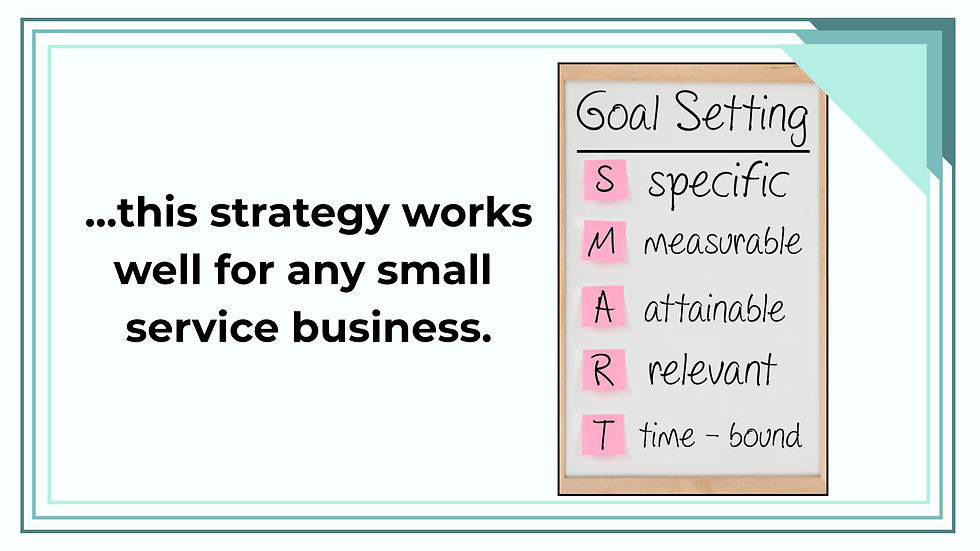
A great way to build independence and self-discipline is by using the SMART goal method, along with a business planner, calendar, or journal to track your progress.
This method is especially helpful if you're aiming to be your own boss by starting and growing a service-based business. While the examples here focus on a cleaning business, this strategy works well for any small service business.
What Does SMART Stand For?
S – Specific Be clear and detailed about what you want to accomplish. Write down exactly what actions you'll take to meet your goals.
Examples:
I will reach out to five new potential clients each week.
I will distribute business cards door-to-door.
I will post ads for my cleaning services on free online marketplaces.
👉Listen — don’t leave your success up to chance. Be crystal clear about your next move. If you don’t know exactly what you’re working toward, you’ll end up spinning your wheels. Write it down, plan it out, and take action every single day. That’s how you build real momentum.
M – Measurable Your goals should include numbers or specific units so you can track your progress.
Examples:
Fill my calendar with 1–2 cleaning clients per day, Monday through Friday.
Take Saturdays and Sundays off.
As your weekday schedule fills up, you'll be able to clearly measure how your business is growing.
This method not only helps you stay focused and organized—it also strengthens your self-discipline by giving you daily actions to commit to.
👉Here’s a quick reminder: if you can measure it, you can manage it. When you start tracking your goals — the number of clients, your schedule, your progress — you’ll see proof that your hustle is actually paying off. That right there will keep you motivated to keep going.
A is for Attainable (or Achievable)
Your goal needs to be something you can actually reach. Making it attainable helps you figure out the steps needed to accomplish it. For example, if your goal is to secure one to two clients per day to fill up your monthly work calendar, ask yourself: What actions can I take to make that happen?
Here's how you can work toward this goal:
Set aside 30 minutes daily to reach out to potential clients through word of mouth, referrals, or recommendations.
Dedicate Mondays and Wednesdays, from 8:00 to 9:30 a.m., to walk door-to-door in different neighborhoods. Gently place business cards on doors (note: as your calendar fills up, you may need to adjust these days).
On Friday nights, from 8:00 to 9:30 p.m., spend time posting free ads online—Facebook Marketplace, Instagram, and other platforms you’re familiar with.
This schedule may seem like a lot at first—and that’s okay. It’s meant to challenge you. But it’s also well-defined and doable. Owning a service business today is very profitable, and with a clear plan, it can grow steadily within just 3 to 6 months. Yes, it takes effort at first—but soon, the hard work pays off and things begin to flow more smoothly.
👉Let me say this — small, consistent actions are what build your business. Don’t underestimate them. Every call you make, every ad you post, every client you serve — it all adds up. That’s how you grow steady and strong, even when it feels slow.
R is for Realistic
Your goal should fit your current resources, schedule, and abilities. Avoid relying on others when possible. Instead, focus on what you can do with the time, tools, and money you already have.
Ask yourself: What do I have access to right now? Internet? Transportation? Cleaning supplies? A small startup budget?
Here’s how you can Make Your Goal Realistic:
Monday to Friday, reserve 30 minutes from 4:00 to 4:30 p.m. to contact potential clients.
Mondays and Wednesdays, 8:00–9:30 a.m. Walk door-to-door in your surrounding communities and leave business cards.
Fridays, 8:00–9:00 p.m. Post free ads on online platforms like Facebook Marketplace, Instagram, or other local networks.
⚠️ Do not leave cards at homes with a “No Soliciting” sign. “No Soliciting” means the homeowner does not want anyone selling products or services or asking for donations at their door. It’s a clear signal to skip that house.
👉The key is to block time on your calendar for these marketing efforts. This makes your goal realistic—and helps ensure the work actually gets done.
👉You don’t need to have everything figured out right now. Just focus on what’s in your control today. That’s where the magic happens. Take the next best step — and then the next. That’s how real progress starts.
T is for Time-Bound (or Timely)
You don’t want to be stuck in the planning phase forever, right? Set a specific deadline for when you want to achieve your goal—like 4 months.
Having a clear timeframe helps you take action, stay focused, and work with a sense of urgency. You’ve already broken down the steps by day and time, so now all that’s left is to stick to the plan and make adjustments as needed.
Example Timeframe:
Goal: Fill workdays (Monday–Friday) with 1 to 2 cleaning clients per day. Timeline: From January 1st, 2026 to April 30th, 2026.
Once you hit that goal, you can apply the SMART method again to plan and achieve your next business milestone.
👉You know what? Deadlines create momentum. Without them, you’ll stay in the planning phase forever. So give yourself a time limit — a finish line — and commit to it. That’s how you move from planning to progress.
Step 3: Creating a Routine to Develop Independence and Self-Discipline
One of the most effective ways to develop independence and self-discipline is by creating a consistent routine. Establishing a daily structure helps you stay focused, avoid procrastination, and ensure that both your cleaning jobs and business responsibilities are completed on time.
Here's A Tip: Use a planner or a scheduling app to block out time for specific tasks such as cleaning, bookkeeping, marketing, and personal breaks. Treat these time blocks like appointments with a client—non-negotiable and essential.
I personally use a planner to organize my daily, weekly, and monthly routine to manage all aspects of my cleaning business.
Here’s how I structure it:
🗓️ Daily Routine
As soon as I get home from work, I prepare for the next day by:
Refilling any cleaning products that need restocking
Adding more clean rags to my cleaning kit
Cleaning out my vacuum
Loading everything into my car so I’m ready to go in the morning
I also send a reminder text to all clients scheduled for the next day, including a time window for when I plan to arrive. Most of my clients greatly appreciate this thoughtful message—it helps build trust and professionalism.
If I receive any checks that day, I deposit them using online banking by simply taking a photo through the bank’s app—quick and easy!
Finally, I take care of my bookkeeping each evening. This includes:
Calculating daily mileage
Logging hours worked (when I had independent contractors working with me)
Preparing worker pay (also when I had them working with me)
🧽 Weekly Routine
Every Friday, I dedicate time to:
Deep clean and disinfect my vacuum
Clean and sanitize all cleaning bottles and tools
Wash and roll all cleaning rags
Wash my car
👉 Yes, keeping your car clean matters—it’s part of your professional image!
📅 Monthly Routine
On the last day of each month, I:
Prepare the next month’s work calendar
Text all of my monthly clients to confirm their cleaning date and estimated arrival time
Total all my business monthly expenses, mileages, independent contractors pay etc.
Then, on the first Saturday of each month, I:
Restock all the cleaning products I’ll need for the month
You don’t want to be all over the place — trust me. Forgetting to wash rags, showing up with a messy car, or running out of supplies halfway through a job… clients notice that stuff. Staying organized shows you care — and that’s what builds trust.
📈 Extra Note for New Business Owners:
During your first 3 to 6 months, as you work to grow your business, your routine will look similar to mine—but with added time for advertising and marketing. This is essential for building your client base and reaching your goals.
👉Don’t overthink it. As your business grows and you begin generating consistent profits, I’ll also explain how you can reinvest some of that profit to delegate tasks and get the right help, so you’re not doing everything alone forever.
Starting a business isn’t just about jumping in; it’s about taking the time to learn the kind of business you want to build. Make a plan. Observe others who are doing something similar to what you envision. Study, prepare, and take notes — because understanding these steps is what gives you a real foundation for success.
Step 4: 🧩 Stay Organized
Staying organized is essential for working efficiently and maintaining control over your business. Organization helps reduce stress, keeps you focused, and ensures that you're always on top of your responsibilities.
Create systems for:
Tracking jobs
Scheduling appointments
Managing supplies
👉Tip: Use digital tools like spreadsheets or business management software to keep track of client information, invoices, and job schedules.
If you're not yet familiar with digital tools, don’t worry! Here’s an example: you can start with a monthly

paper calendar to map out your jobs and tasks.
I’ve also created a great tool to help service business owners like you:
📘 Profit Tracker Pro: Daily Business Planner – Available on Amazon! This planner is designed to help you stay on top of your finances, manage client information, and stay organized with every part of your business.

👉Organization equals less stress. Seriously. Use a paper planner, use an app, or even my Profit Tracker Pro on Amazon — whatever works for you. Just don’t rely on memory. That’s how things slip through the cracks. Get it out of your head and onto paper or save on a digital tool.
Step 5: ✅ Prioritize Tasks
Not all tasks carry the same weight. Learning to prioritize is another powerful way to develop independence and self-discipline. Focus your time and energy on the tasks that bring the most value to your business—like serving clients and marketing—before handling the smaller, less urgent items.
At the beginning of your business journey, your main priorities should be:
Serving your current clients well
Consistently marketing your services
Always carry business cards with you
Advertise your services weekly through free online platforms
If someone calls or texts you about your services, respond within 24 hours. This shows reliability and builds trust.
🕒 Step 6: Master Your Time (Instead of Fighting Procrastination)
I’ll be real with you—I’m not a procrastinator. I can’t stand wasting time, and I actually thrive on being organized. For me, structure isn’t optional—it’s how I run my business smoothly and keep my sanity.
Here’s how I make the most of my time:
Tackle the big task first. At the beginning of starting my business years ago, every morning, I start with the one thing that matters most—whether that’s a client prep or estimation, a business call, or marketing. Once that’s out of the way, the rest of the day flows so much easier.
Batch tasks. Instead of spreading things out randomly, I group them together. For example, I restock cleaning supplies once a week, wash all my rags on the same day-Friday, as I prepare my work bag for Monday jobs. And schedule marketing in a set block of time, while getting my car wash and clean. That way, I’m not constantly switching gears.
Prep ahead. I load my car the night before every job. It might sound small, but it saves me from morning chaos and makes me feel ready before I even leave the house.
Keep it simple. If something takes less than five minutes—like texting a client back—I do it right away. No waiting, no clutter on my to-do list.
👉 The point is: when you stay ahead and respect your time, procrastination doesn’t even have room to sneak in. You’re in control, your clients notice, and your business feels like it’s running on autopilot.
Step 7: ✅ Hold Yourself Accountable — A Powerful Way to Build Independence and Self-Discipline
This is a good one! Holding yourself accountable is essential when you're developing independence and self-discipline—especially as a solo business owner. Since you’re the boss, it’s up to you to stay on track. Set deadlines, track your progress, and take time to reflect on your performance.
If you miss a deadline or don’t complete a task, don’t beat yourself up—analyze what went wrong and make a plan to improve.
Regularly review your goals and accomplishments. Celebrate small wins when you reach important milestones, but also be honest with yourself when something needs adjusting.
Remember earlier, I mentioned that you’ll need to adjust your schedule sometimes—especially as your client base grows. Business tasks like marketing or planning may need to move to another time or day of the week.
For Example:
You used to walk door to door on Mondays from 8:00–9:30 a.m. placing business cards in neighborhoods with good potential. But now, you have a new biweekly client who prefers to start cleaning at 8:00 a.m. on Mondays. That’s a win—but it does mean your Monday morning marketing needs to shift.
You have a few options:
Move your door-to-door marketing to Tuesdays or Wednesdays
Hire someone to pass out business cards for you
Shift your marketing efforts to Monday nights and focus on online advertising through Facebook, Instagram, or other platforms
Being flexible and accountable allows your business to grow while staying consistent with your goals.
Step 8: 💪Stay Motivated — One of the Best Ways to Build Independence and Self-Discipline
Let’s be honest—it can be tough to stay motivated when you're wearing every hat in your business. But

staying connected to your "why" and your long-term vision is what keeps your energy high, even on challenging days.
What I did and what you can do is create a vision board or write down your reasons for starting your business and place them somewhere you’ll see daily. This simple act keeps your goals visible and your motivation strong.
For Example:
On my own vision board, I listed some of my biggest reasons for starting my business:
I wanted to set my own hours so I could attend all of my daughter’s school activities.
If I didn’t have a babysitter, I wanted the freedom to bring her to work with me if needed.
I wanted to decide how much I worked and how much money I earned each week.
I wanted weekends off to enjoy quality time and rest.
I included a picture of my new car and wrote down the monthly car note—this was motivation to fill my calendar in advance and ensure I hit my income goals.
I also added a copy of my monthly mortgage payment to stay focused on financial consistency.
One of my greatest motivations was the pride of being my own boss—leading my business and building a team. That vision kept me going strong, especially during those tough early months when everything felt new and uncertain.
Step 9: ✅ Learning to Delegate (Eventually): A Smart Step Toward Independence and Self-Discipline
While being independent is essential, learning when to delegate is just as important. Delegating certain tasks—like bookkeeping, marketing, or even scheduling—can free up your time so you can focus on what you do best: cleaning and growing your business.
Remember, earlier I mentioned that you don’t have to overthink how much work it takes to grow your business. Why? Because as your business expands, you can use some of your profits to hire help. Consider bringing on an assistant or investing in professional services—like an accountant or a digital marketing expert—to take over specific responsibilities. That way, you stay focused on your core strengths and business growth.
I know this is a lot to take in—but remember, building a business isn’t just about making money; it’s about building a mindset. The best kind of business is one you can scale with passion. It’s not about how much money you start with—it’s about how you grow it. To grow a business, you need a vision people can’t ignore, the right mindset, self-discipline, and genuine passion for what you do.
You also need to understand what it takes to operate the type of business you’re building. You could have the best mentor in the world, pay for every course, and collect all the advice—but if you don’t apply that advice, you might as well be throwing money away.
I get it—bookkeeping, tracking income and expenses, customer service, marketing, and hiring may not sound exciting. But these are the gears that keep your business running smoothly. Mastering them early helps you stay strong through the tough days so you don’t give up before your success has a chance to show.
Now, let’s go over some common questions and answers to help you better understand your cleaning business and strengthen your path forward.
1) What’s the difference between independence and self-discipline in a cleaning business?
Independence is taking initiative without waiting for permission. Self-discipline is doing what needs to be done—on time—whether you feel like it or not. You need both to manage your schedule, clients, marketing, and admin consistently.
2) How do I stay on track when I’m my own boss?
Use SMART goals + a blocked schedule. Example:
Daily: 30 minutes outreach
Mon & Wed (8:00–9:30 a.m.) Door-to-door with business cards
Fri (8:00–9:30 p.m.) Post free ads (Facebook Marketplace, Instagram, local groups)Small, consistent actions = big results. If you’re just starting out and you feel like everything’s moving slow—don’t quit. Every small action counts. You’re building something that’s going to give you freedom later. Keep showing up.
3) What does a SMART goal look like for a new cleaner?
Specific: “Reach out to 5 new leads weekly.”
Measurable: “Book 1–2 clients per weekday.”
Attainable: 30 mins daily outreach + two door-to-door blocks + one ad block.
Realistic: Use what you have now (internet, transportation, basic supplies).
Time-Bound: “Fill Mon–Fri with 1–2 clients/day by April 30, 2026.”.
4) How many clients should I aim for at the start?
Aim to fill weekdays with 1–2 clients per day. This keeps your schedule stable and income predictable while you refine systems.
5) What should my daily routine include?
Restock products & add clean rags
Clean out vacuum & pack car for the morning
Send reminder texts with arrival windows
Deposit any checks via mobile banking
Do basic bookkeeping (mileage, hours, pay if applicable)
6) What should I do weekly to stay professional?
Every Friday:
Deep clean the vacuum
Sanitize bottles/tools
Wash & fold rags
Wash the car (your car is part of your image!)
7) What’s a solid monthly routine?
Last day of the month: Build next month’s calendar + confirm dates/ETAs with monthly clients
First Saturday: Restock all cleaning products for the month
8) Is it okay to leave business cards at every house?
No. Skip homes with a “No Soliciting” sign. That means no selling/services solicitations. Respecting that sign protects your reputation.
9) I struggle with procrastination—what’s one habit that really works?
Do the hardest task first every morning. Then batch the rest: restock on one day, laundry on Friday, marketing in set blocks. When you stay ahead and respect your time, procrastination doesn’t even have space to sneak in. You’re in control, your clients notice it, and your business starts to flow like it’s on autopilot. That’s the goal right there.
10) What should I prioritize each week?
Serve current clients with excellence
Market consistently (carry cards, post weekly, reply within 24 hours to calls/texts)
11) How much time should I spend marketing at the beginning?
Plan 30 minutes daily for outreach, two 90-minute door-to-door blocks (Mon/Wed mornings), and one 60–90 minute online ad block (Fri night). Adjust as your calendar fills.
12) How do I keep everything organized without fancy software?
Start simple: a paper monthly calendar for jobs/tasks + your favorite planner. You can upgrade to spreadsheets or business software later. Remember, Organization = less stress. Use a tool you’ll actually open.
13) What bookkeeping basics should I track daily?
Mileage
Hours worked (and worker pay if you have contractors)
Income & payment type (mobile deposits are your friend)
14) How do I maintain motivation when I’m wearing all the hats?
Create a vision board + visible “why”: family time, income goals, debt payoff, your dream car payment, weekends off. Keep it where you see it daily.
15) When should I start delegating?
When profits are steady and your schedule is full, reinvest into help: bookkeeping, marketing, scheduling, or card distribution. Delegation lets you focus on cleaning and growth.
16) How long until my business feels steady?
With consistent marketing and routines, many solo cleaners see steady growth in 3–6 months. Keep the blocks, keep the standards, adjust what isn’t working.
17) What’s a professional way to confirm appointments?
Send a polite reminder text the day before with your arrival window. Clients love clarity—and it reduces no-shows and last-minute questions.
18) What if my new client conflicts with my marketing blocks?
That’s growth! Options:
Move door-to-door to Tue/Wed
Shift marketing to Monday nights (online ads)
Hire someone to pass out cards for you Accountability + flexibility = momentum.
19) Do I really need to keep my car clean?
Yes. Your car is part of your brand. A clean, organized vehicle signals reliability and care—exactly what clients want in their homes.
20) What’s the fastest way to look more “put-together” to clients?
On-time arrival window + reminder text
Clean kit & vacuum, labeled bottles
Fresh rags, tidy car
Clear invoice/payment process
Here’s the truth: consistency builds trust, and trust builds referrals. You don’t have to do anything flashy — just show up, do your best, and keep your word. That’s how your business grows naturally.


Comments